Sidewalks, Walkways & Flatwork
Create safe, attractive pathways that connect your property and welcome visitors.
Why Quality Flatwork Matters
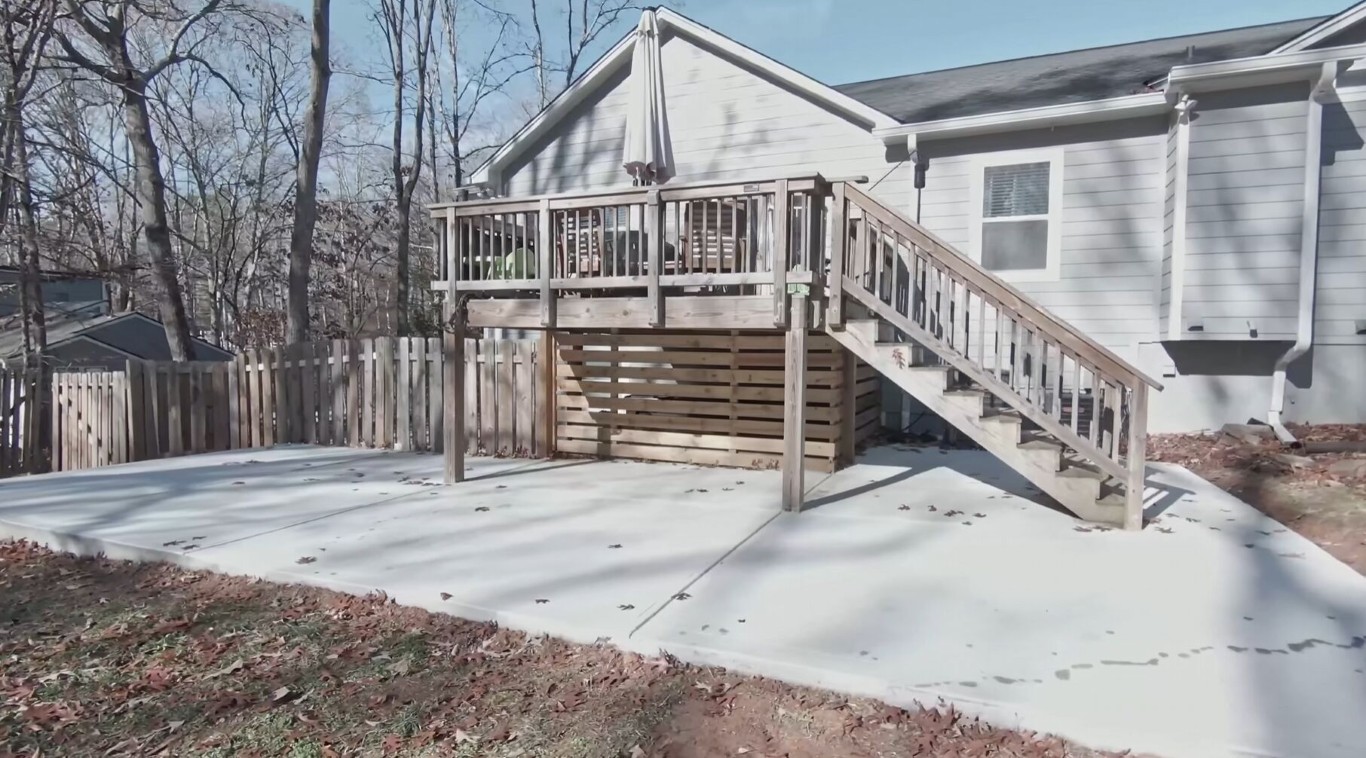
Flatwork is the concrete industry term for any horizontal surface like sidewalks, walkways, and paths. These surfaces take a beating from foot traffic, weather, and time. When they're done right, they last for decades without cracking or settling. When they're rushed or poorly built, you end up with trip hazards and water problems within a few years.
Your sidewalks and walkways do more than get you from point A to point B. They're often the first thing visitors see when they arrive at your home or business. A clean, level walkway makes your property look well-maintained and inviting. Cracked or uneven concrete sends the opposite message and can be a liability if someone trips and gets hurt.
In Lancaster, proper flatwork installation means dealing with our soil conditions and drainage needs. Clay soil expands when wet and shrinks when dry, which puts stress on concrete. We prepare the base correctly, use control joints to manage cracking, and slope everything so water drains away from buildings. These details make the difference between flatwork that lasts and flatwork that fails.
What We Install
- •Front walkways from street or driveway to your front door
- •Backyard paths connecting patios, gardens, and outdoor living areas
- •Public sidewalks that meet city code requirements
- •Commercial walkways for businesses and multi-family properties
- •ADA-compliant ramps and accessible pathways
How We Build Walkways That Last
Every flatwork project starts with proper site preparation. We excavate to the right depth, compact the soil, and add a gravel base that provides stable support and drainage. Skipping these steps is where most concrete problems start. We don't cut corners on the foundation just because it's hidden underground.
Next comes forming and grading. We set forms to create clean, straight edges and establish the proper slope for drainage. Water should always flow away from buildings and not pool on the surface. We typically use a quarter inch of slope per foot of concrete, which drains well without being noticeable when you walk on it.
The concrete pour itself needs attention to detail. We use the right mix for the job, place it carefully to avoid air pockets, and finish the surface to your preferred texture. Broom finish provides good traction in wet weather. Smooth trowel finish looks sleek and modern. We can also do exposed aggregate or stamped decorative patterns if you want something more distinctive. After pouring, proper curing is essential. We protect new concrete from sun, wind, and temperature extremes while it gains strength.
Planning Your Walkway Project
Standard walkways are typically four feet wide, which gives comfortable space for two people to walk side by side. Main front walkways might be five or six feet wide for a more impressive entrance. Secondary paths can be three feet wide for single-file traffic. We'll help you choose dimensions that fit your space and how you plan to use the walkway.
Thickness matters for durability. Residential walkways usually need four inches of concrete. Areas that might see vehicle traffic, like the approach to your garage, should be at least six inches thick. We recommend proper reinforcement with rebar or wire mesh for longer spans to prevent cracking. These are the same standards we follow for all our concrete work in Lancaster.
Design Options and Long-Term Care
Plain gray concrete is practical and affordable, but you have plenty of other options. We can add color with integral pigments mixed into the concrete or applied as a surface stain. Decorative scoring creates geometric patterns that hide control joints and add visual interest. Borders in a contrasting color or texture frame your walkway nicely.
Curved walkways create a softer, more natural look compared to straight paths. The trade-off is more complex forming and slightly higher cost. We can blend curves with straight sections to balance aesthetics and budget. Stepping stone walkways are another option, with individual concrete pads separated by grass or gravel. They work well for informal garden paths.
Maintaining your concrete flatwork is straightforward. Sweep or rinse it regularly to prevent dirt buildup. Apply a concrete sealer every few years to protect against moisture, stains, and surface wear. Seal cracks promptly when they appear to prevent water from getting underneath. In winter, avoid using rock salt for ice control because it can damage concrete surfaces. Use sand for traction or calcium-based ice melt instead. If you already need repairs, check out our concrete repair and replacement services.
Working With Local Codes
If your walkway project involves public sidewalks or city right-of-way, you'll need permits and inspections. We're familiar with Lancaster's requirements and can handle the permit process for you. This includes meeting specifications for thickness, width, slope, and ADA compliance where applicable.
Homeowner association rules might also affect your project, especially for front yard walkways visible from the street. We recommend checking your HOA guidelines before finalizing your design. Most associations appreciate quality improvements that enhance curb appeal and property values.