Retaining Walls & Concrete Masonry
Transform sloped yards into usable space with retaining walls that combine strength and style.
Why Retaining Walls Matter
Retaining walls do more than look good. They hold back soil on sloped properties, preventing erosion and creating level spaces you can actually use. Without proper retaining walls, hillside yards gradually wash away during heavy rain. Soil ends up in your driveway, flower beds get destroyed, and your property loses value as the landscape deteriorates.
A well-built retaining wall solves these problems and opens up new possibilities for your yard. That steep slope becomes a terraced garden. The unusable hillside turns into a level patio area. Your property gets more functional outdoor space while protecting against erosion and water damage. These walls also add structure and visual interest to your landscaping.
Here in Lancaster, our clay soil and seasonal weather make proper retaining wall construction critical. Clay expands when wet and contracts when dry, putting serious pressure on retaining walls. We design and build walls that handle these forces using proper drainage, appropriate materials, and correct installation techniques. This isn't a DIY project. Poorly built retaining walls fail within a few years, sometimes catastrophically.
Types of Retaining Walls We Build
- •Poured concrete walls for maximum strength and durability
- •block retaining wall construction offering versatility and cost efficiency
- •Segmental retaining walls with interlocking blocks in various styles
- •Decorative stone veneer over concrete structure for upscale appearance
- •Terraced wall systems for steep slopes requiring multiple levels
Building Walls That Last
Every retaining wall project starts with proper planning. We assess your slope, soil type, drainage patterns, and how much height change you need to manage. Walls over four feet tall typically require engineering plans and building permits. We coordinate with structural engineers when needed and handle all permit requirements for you.
The foundation is where most retaining wall failures start. We excavate below the frost line and create a solid base of compacted gravel. For taller walls, we pour a concrete footing that distributes weight properly. This foundation work happens underground where you never see it, but it makes all the difference in how long your wall lasts.
Drainage is absolutely critical. Water building up behind a retaining wall creates enormous pressure that can push the wall over. We install drainage pipes, gravel backfill, and weep holes that let water escape before it becomes a problem. This drainage system works with the foundation and wall structure to handle the forces trying to push everything downhill. The same attention to detail goes into all our concrete construction work in Lancaster.
Materials That Work
Poured concrete walls offer maximum strength for challenging sites or tall walls. We build forms, place rebar reinforcement, and pour concrete to create a solid structure. The wall can be left with a natural concrete finish, textured with form liners, or covered with stone veneer. Poured walls handle heavy loads and last for decades with minimal maintenance.
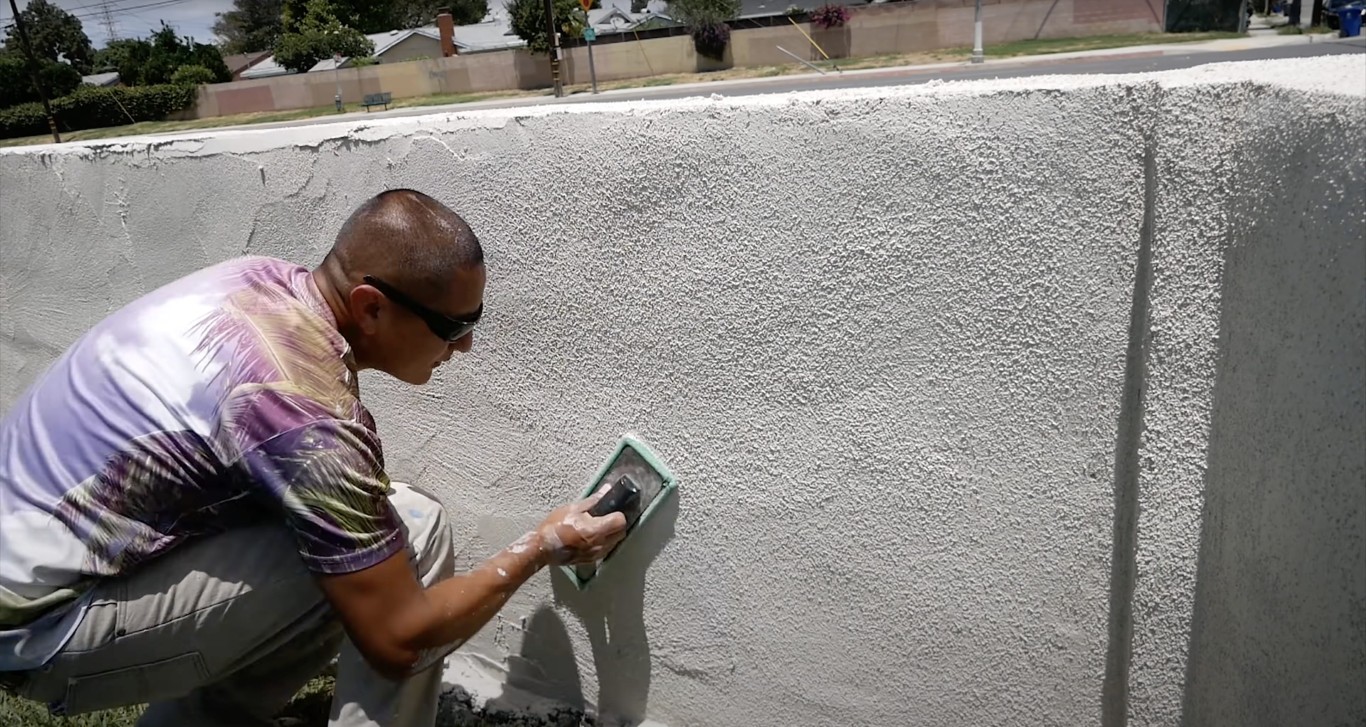
Concrete block walls balance strength, affordability, and faster construction. Standard concrete blocks get reinforced with steel and filled with concrete for structural integrity. The finished wall can be painted, stuccoed, or veneered to match your home's style. Block walls work well for most residential applications and cost less than poured concrete while still providing excellent performance.
Making Your Wall Look Great
Retaining walls don't have to look industrial. Modern segmental block systems come in colors and textures that complement any landscape design. Natural stone appearance, smooth contemporary finishes, or rustic tumbled blocks give you plenty of aesthetic choices. We help you select materials that fit your home's style and your budget.
Curves and angles add visual interest to retaining walls. A straight wall is easiest to build, but gentle curves soften the appearance and work better with organic landscape designs. Steps integrated into the wall provide access between levels and create focal points. Planting pockets built into the wall face let you add greenery that breaks up large expanses of masonry.
Terraced walls work better than one tall wall when you have significant elevation change. Multiple shorter walls look more natural, put less stress on each structure, and create level planting areas between tiers. This approach often costs less than building one massive wall and gives you more usable space. We can coordinate wall installation with patio construction to create complete outdoor living areas on previously unusable slopes.
Maintenance and Longevity
Properly built retaining walls need very little maintenance. Keep weep holes clear so drainage works correctly. Check for any signs of movement or cracking annually. Remove vegetation growing in joints before roots cause damage. Most maintenance issues come from drainage problems, so make sure gutters and downspouts direct water away from the top of your wall.
Quality retaining walls last 30 to 50 years or more with minimal care. The investment in proper construction pays off over time. Cheap walls that skip engineering, drainage, or proper footings might last five years before they fail. Then you pay for the wall twice, once to build it wrong and again to fix the mess. We build walls right the first time. Check out our other concrete and masonry services for complete property improvements.